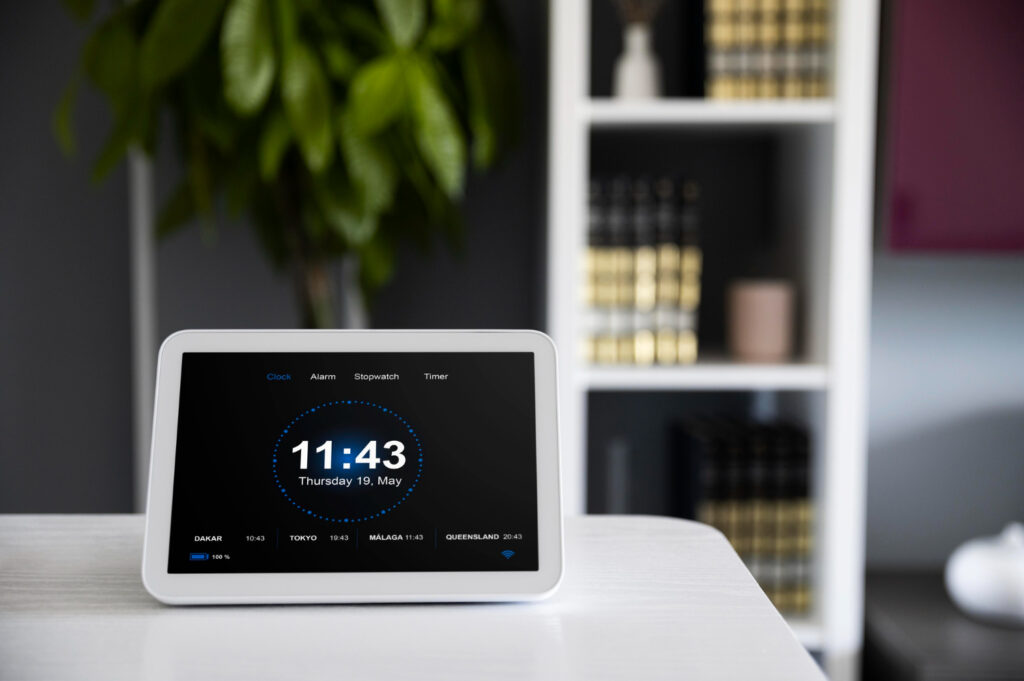
Smart Thermostat Guide for Energy Savings in 2026
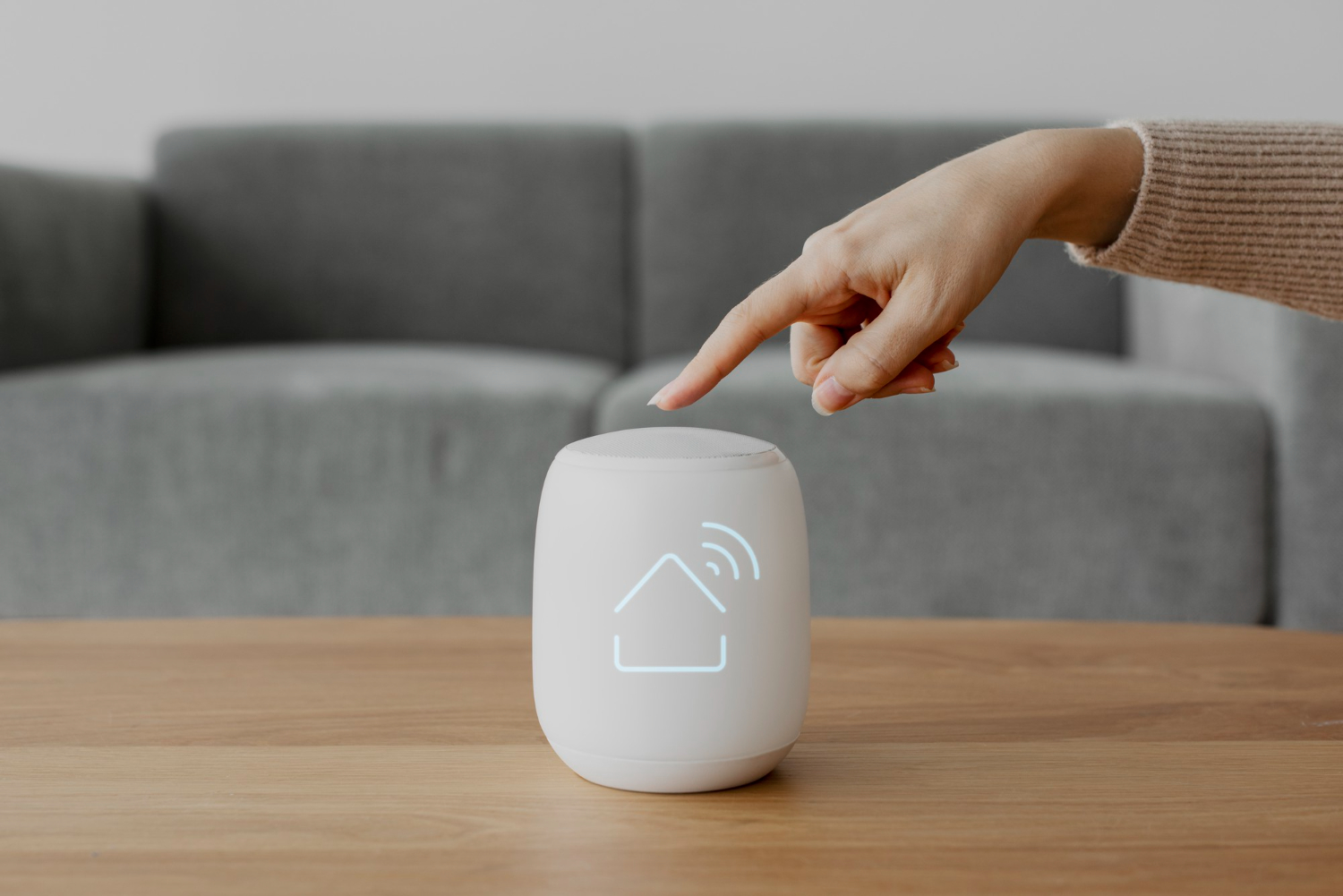
Energy costs continue to rise, and households around the world are searching for smarter ways to reduce consumption without sacrificing comfort. In 2026, the smart thermostat has become one of the most effective tools for achieving this balance. More than just a temperature controller, it is now an intelligent energy management system that learns, adapts, and optimizes how your home uses heating and cooling.
This guide takes you on a practical and story-driven journey into how smart thermostats work, why they matter more than ever in 2026, and how you can use them to significantly reduce your energy bills while improving daily comfort.
The Energy Challenge Homeowners Face in 2026
Energy consumption in residential homes has changed dramatically over the past decade. With more people working remotely, using smart devices, and demanding consistent indoor comfort, heating and cooling systems are running longer than ever.
Traditional thermostats were never designed for this reality. They rely on manual input and fixed schedules that rarely match real-life behavior. The result is wasted energy, higher bills, and unnecessary strain on HVAC systems.
A smart thermostat solves this problem by responding dynamically to your lifestyle, not the other way around.
What Is a Smart Thermostat?
A smart thermostat is a Wi-Fi–enabled device that automatically controls your home’s heating and cooling system using sensors, algorithms, and user behavior data.
Unlike conventional thermostats, smart thermostats can:
- Learn your daily routines
- Adjust temperatures automatically
- Be controlled remotely via smartphone apps
- Integrate with smart home ecosystems
- Provide detailed energy usage reports
In 2026, most advanced smart thermostat models use AI-driven learning and predictive algorithms to make decisions that were once impossible with older systems.
How Smart Thermostats Actually Save Energy
Learning Your Daily Routine
The biggest advantage of a smart thermostat is its ability to learn. After a few days or weeks, it begins to recognize patterns such as:
- When you leave for work
- When you return home
- When you sleep
- When rooms are unused
Instead of running heating or cooling all day, the system adjusts temperatures precisely when needed.
Eliminating Energy Waste
A smart thermostat reduces energy waste in several ways:
- Automatically lowering temperature when no one is home
- Preventing unnecessary heating or cooling at night
- Adjusting gradually instead of sudden temperature changes
According to the U.S. Department of Energy, programmable and smart thermostats can reduce heating and cooling costs by up to 10% annually when used correctly .
Smart Thermostat Features That Matter Most in 2026
AI-Powered Temperature Optimization
In 2026, AI is no longer optional. The most efficient smart thermostat models analyze weather forecasts, indoor humidity, occupancy, and historical behavior to make real-time adjustments.
For example, if a warm afternoon is expected, the thermostat may slightly cool your home earlier when energy demand is lower, reducing peak-time usage.
Geofencing Technology
Geofencing uses your smartphone’s location to detect when you are approaching or leaving home. The smart thermostat adjusts automatically, ensuring comfort on arrival without wasting energy while you’re away.
Room Sensors for Zoned Comfort
Modern smart thermostats support room sensors that detect temperature and occupancy in individual spaces. This prevents heating or cooling unused rooms and focuses energy where it matters most.
The Real Cost Savings of a Smart Thermostat
Many homeowners hesitate because of the upfront cost. However, the long-term savings usually outweigh the initial investment.
Average Savings Breakdown
Most households experience:
- 8% to 15% reduction in annual heating costs
- 10% to 20% reduction in cooling costs
- Extended HVAC system lifespan due to optimized usage
In many regions, energy companies also offer rebates for installing a certified smart thermostat, further reducing costs.
Smart Thermostat vs Traditional Thermostat
Traditional Thermostat Limitations
Traditional thermostats:
- Require manual adjustments
- Follow rigid schedules
- Cannot adapt to lifestyle changes
- Offer no energy usage insights
Why Smart Thermostats Win
A smart thermostat adapts continuously. If your routine changes, it changes with you. This flexibility is essential in modern homes where schedules are rarely consistent.
Integration with Smart Home Ecosystems
In 2026, a smart thermostat rarely works alone. It integrates seamlessly with platforms like Google Home, Amazon Alexa, and Apple HomeKit.
This allows you to:
- Control temperature using voice commands
- Create automation routines
- Sync with smart blinds and lighting
- Improve overall home energy efficiency
To explore more smart home solutions that complement your thermostat, visit our in-depth guide on smart home energy optimization thermostat.
Environmental Impact of Smart Thermostats
Reducing energy consumption does not only save money. It also lowers carbon emissions.
Heating and cooling account for nearly half of a home’s energy use. By optimizing this process, smart thermostats play a significant role in reducing environmental impact and supporting sustainability goals in 2026.
This is one reason why governments and energy agencies worldwide continue to promote smart thermostat adoption.
Choosing the Right Smart Thermostat in 2026
Compatibility with Your HVAC System
Not all smart thermostats work with every system. Before buying, verify compatibility with:
- Central heating systems
- Heat pumps
- Multi-stage HVAC units
Ease of Use
Look for intuitive apps, clear displays, and simple installation. A smart thermostat should simplify your life, not complicate it.
Data and Reporting Features
Energy reports help you understand how your home uses energy. The best models provide weekly and monthly insights with actionable recommendations.
Installation: DIY or Professional?
Many smart thermostats are designed for DIY installation and take less than an hour. However, professional installation may be preferable if:
- Your wiring is outdated
- You have a complex HVAC setup
- You want guaranteed compatibility
Common Mistakes That Reduce Smart Thermostat Efficiency
Even the best smart thermostat can underperform if misused.
Avoid these mistakes:
- Manually overriding settings too often
- Disabling learning features
- Ignoring energy reports
- Incorrect placement near heat sources
Proper setup and patience during the learning phase are key to maximizing savings.
The Future of Smart Thermostats Beyond 2026
Smart thermostat technology continues to evolve. Future developments include:
- Deeper AI integration
- Grid-responsive energy usage
- Improved renewable energy coordination
- Enhanced predictive comfort algorithms
These innovations will further reduce costs while increasing comfort and sustainability.
Conclusion
A smart thermostat is no longer a luxury device. In 2026, it is a practical investment for anyone serious about reducing energy costs, improving comfort, and embracing smarter living.
By learning your habits, optimizing HVAC performance, and integrating with modern smart home systems, a smart thermostat transforms how your home uses energy. The result is lower bills, reduced environmental impact, and effortless comfort every day.
Frequently Asked Questions (FAQs)
1. Is a smart thermostat worth it for small homes or apartments?
Yes. Even in small spaces, a smart thermostat can eliminate wasted energy and adapt to irregular schedules, delivering noticeable savings.
2. How long does it take to see energy savings with a smart thermostat?
Most users notice reduced energy bills within the first one to two months after the learning phase is complete.
3. Can a smart thermostat work without Wi-Fi?
Basic temperature control will still function, but Wi-Fi is required for remote access, learning features, updates, and energy reports.