Top Smartwatches for Health & Fitness in 2026 – Complete Guide
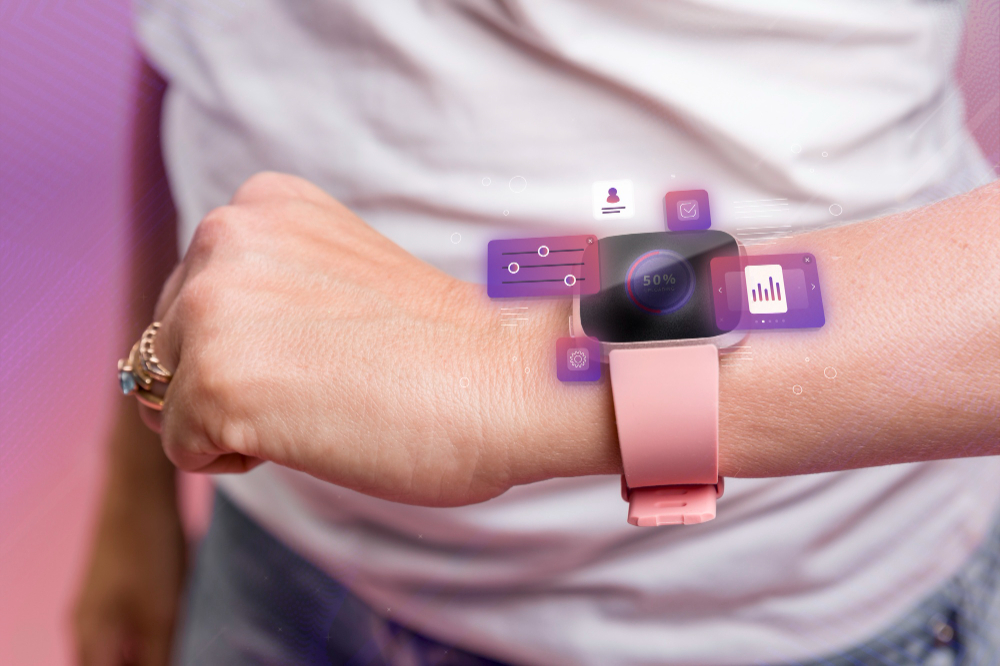
In an age where technology enhances every aspect of our lives, smartwatches have become essential tools for health and fitness. Whether you are tracking heart rate, monitoring sleep patterns, or optimizing workouts, a smartwatch brings convenience and precision to your wrist. This comprehensive guide breaks down the top smartwatches for health and fitness in 2026, helping you choose the perfect device based on features, performance, and price.
In this article, we will explore the latest advancements in smartwatch health technology, detailed comparisons of leading models, user-focused fitness features, battery life considerations, and tips for selecting the right smartwatch for your needs.
Why Smartwatches Are Essential for Health & Fitness
Smartwatches are no longer simple accessories for notifications. They have evolved into powerful health and fitness companions. Here’s why they matter:
Health Monitoring on Your Wrist
The best smartwatches provide real-time health data. From continuous heart rate tracking to blood oxygen monitoring, these devices give insights that were once limited to clinical settings. With built-in sensors and advanced algorithms, you can understand your body like never before.
Fitness Tracking with Precision
Whether you are a casual walker or a seasoned athlete, smartwatches track your workouts with accuracy. Activities like running, cycling, swimming, and strength training are measured with metrics that help you improve performance and stay motivated.
Motivation and Habit Building
Fitness isn’t just data; it’s psychology. Smartwatches deliver daily goals, reminders, and feedback to encourage healthy habits. With progress summaries and social sharing features, staying committed becomes easier.
Integration with Health Ecosystems
Smartwatches sync seamlessly with companion apps and broader health ecosystems. This allows you to store long-term data, analyze trends, and share information with healthcare providers if needed.
Key Features to Consider in Smartwatches for 2026
Before diving into model comparisons, let’s look at the critical features that define top smartwatches for health and fitness.
Advanced Health Sensors
Look for smartwatches that offer:
- Heart rate monitoring
- Blood oxygen (SpO2)
- Electrocardiogram (ECG)
- Skin temperature tracking
- Stress tracking
These sensors provide valuable insights into your overall wellbeing.
Workout Tracking Modes
Leading smartwatches support a wide range of workout modes:
- Running and walking
- Cycling
- Swimming (with water resistance)
- Strength training
- Yoga and Pilates
- High-Intensity Interval Training (HIIT)
A diverse set of modes ensures accurate tracking regardless of your fitness routine.
GPS and Navigation
Built-in GPS is crucial for outdoor workouts such as trail running or cycling. It allows you to track routes, pace, and distance without relying on your phone.
Battery Life and Charging
Battery life varies across models but is a critical factor for long-term use. Some smartwatches offer multi-day battery life even with health sensors running.
Compatibility and Ecosystem
Smartwatches must integrate smoothly with your smartphone (Android or iOS) and health apps. Compatibility affects data synchronization, app availability, and feature access.
Top Smartwatches for Health & Fitness in 2026
Here are the top smartwatch models that stand out in 2026 for health and fitness.
1. Apple Watch Series 10
Overview
The Apple Watch Series 10 continues to lead in health and fitness technology. Known for its advanced sensors and rich feature set, it remains a top choice for iPhone users.
Key Features
- ECG and blood oxygen monitoring
- Advanced heart rate alerts
- Sleep tracking with sleep stages
- Fitness+ integration
- Seamless iOS ecosystem integration
Why It’s Great for Fitness
Apple has fine-tuned its fitness algorithms to provide accurate workout detection and performance metrics. The Apple Fitness+ service adds guided workouts that sync with your watch in real-time.
Best For
iPhone users who want a polished health and fitness experience with deep ecosystem support.
2. Samsung Galaxy Watch 7
Overview
Samsung’s Galaxy Watch 7 is a leading Android-compatible smartwatch with top-tier fitness and health features.
Key Features
- ECG and blood pressure monitoring
- SpO2 and stress tracking
- Advanced sleep analytics
- Robust Android integration
Why It’s Great for Fitness
With excellent health tracking tools and a bright, intuitive display, the Galaxy Watch 7 makes it easy to monitor progress and stay motivated. Its long battery life sets it apart from competitors.
Best For
Android users seeking a powerful health smartwatch with comprehensive fitness tools.
3. Garmin Fenix 8
Overview
Garmin’s Fenix series is designed for athletes and outdoor enthusiasts. The Fenix 8 offers rugged durability and advanced metrics for serious training.
Key Features
- Multi-band GPS accuracy
- VO2 max and training load insights
- Recovery time advisor
- Long battery life
Why It’s Great for Fitness
The Fenix 8 excels in performance tracking and data analytics. It’s perfect for runners, hikers, triathletes, and endurance athletes who demand precision and reliability.
Best For
Serious athletes and outdoor adventurers who need advanced training tools.
4. Fitbit Sense 3
Overview
Fitbit’s Sense 3 focuses on wellbeing and stress management, combining essential fitness features with health insights.
Key Features
- Stress management score
- Heart rhythm notifications
- Sleep quality tracking
- Fitbit Premium compatibility
Why It’s Great for Fitness
Fitbit Sense 3 provides a well-rounded set of health features in an affordable package. It’s ideal for users who want actionable health insights without complex training metrics.
Best For
Fitness beginners and wellbeing-focused users.
5. Google Pixel Watch 3
Overview
Google’s Pixel Watch 3 integrates Fitbit health features with Wear OS flexibility.
Key Features
- Built-in Fitbit health tracking
- ECG and heart rate monitoring
- Google Assistant and Wear OS apps
- Sleek design
Why It’s Great for Fitness
The Pixel Watch 3 blends fitness tracking with smart features like voice commands and app support, making it a balanced choice for everyday users.
Best For
Users who want a smartwatch with both fitness tracking and smart functionality.
Comparison Table: Smartwatches at a Glance
| Model | Best Feature | Battery Life* | Best For |
|---|---|---|---|
| Apple Watch Series 10 | iOS Integration | 18–36 hours | iPhone Users |
| Samsung Galaxy Watch 7 | Health Metrics & Battery | 2–4 days | Android Users |
| Garmin Fenix 8 | Advanced Training Metrics | 10–20 days | Athletes & Outdoor Users |
| Fitbit Sense 3 | Stress & Sleep Tracking | 6–8 days | Wellness-Focused Users |
| Google Pixel Watch 3 | Smart Features + Fitness | 24–48 hours | Everyday Smartwatch Users |
*Battery life varies based on usage and settings.
How to Choose the Right Smartwatch for You
With so many options, selecting the best smartwatch for your health and fitness can feel overwhelming. Use the following guide to simplify your choice.
1. Determine Your Primary Goals
Start by asking:
- Are you focused on performance training?
- Do you want general health monitoring?
- Is long battery life important?
- Are you invested in a specific smartphone ecosystem?
Your answers will guide your choice.
2. Consider Compatibility
Smartwatches often perform best within specific mobile ecosystems. For example:
- Apple Watch models pair exclusively with iPhones.
- Samsung and Google watches work best with Android devices.
Make sure the watch you choose supports your smartphone.
3. Evaluate Health Features
If health tracking is your priority, look for sensors such as:
- ECG for heart rhythm monitoring
- SpO2 for blood oxygen levels
- Sleep and stress tracking
Advanced sensors provide more comprehensive health insights.
4. Assess Fitness Needs
Casual walkers may not need the advanced metrics that runners and athletes require. Make sure the smartwatch supports the workout modes most relevant to you.
5. Battery Life and Durability
If you travel or workout frequently, battery life matters. Outdoor athletes may prefer rugged models like the Garmin Fenix series, which often deliver extended battery life and superior durability.
Smartwatch Health Features Explained
Heart Rate Monitoring
Most smartwatches use optical sensors to track your heart rate continuously. This data helps measure workout intensity, daily activity, and recovery.
Blood Oxygen (SpO2)
SpO2 measures the percentage of oxygen in your blood. It’s useful for understanding respiration and overall health, especially during sleep or high-altitude workouts.
ECG and Heart Rhythm
An electrocardiogram (ECG) analyzes the electrical signals of your heart. Some smartwatches offer ECG to detect irregular heart rhythms, which can be crucial for early detection of conditions like atrial fibrillation.
Sleep Tracking
Sleep analysis goes beyond duration. Modern smartwatches measure:
- Sleep stages (light, deep, REM)
- Sleep quality
- Restlessness and interruptions
These insights help improve sleep habits.
Stress Monitoring
By analyzing heart rate variability, some smartwatches provide stress scores and recommendations for relaxation or breathing exercises.
Tips to Maximize Your Smartwatch Experience
Sync Regularly with Health Apps
Connect your smartwatch to companion apps to store long-term data, track trends, and view detailed analytics. For Android and iOS, official manufacturer apps provide robust dashboards.
Update Software Frequently
Firmware updates often improve accuracy, add new features, and fix bugs. Regular updates ensure your smartwatch performs optimally.
Use Goal-Setting Features
Set realistic fitness goals such as daily steps, workout targets, or sleep hours. Many smartwatches provide reminders and insights tailored to your progress.
Protect Your Device
Use screen protectors or protective cases if you engage in rugged activities. This preserves your investment and keeps the device functional longer.
Smartwatches and the Future of Health Technology
The future of smartwatches looks promising as manufacturers continue enhancing sensor accuracy, AI integration, and health insights. Wearables may soon detect conditions earlier, personalize health advice, and sync data with healthcare providers seamlessly. For authoritative insight into wearable health tech trends, you can explore research published by the World Health Organization on digital health technologies. (Outbound link: https://www.who.int/health-topics/digital-health)
For more gadget reviews and fitness tech insights, check out comprehensive guides and product breakdowns on our site.
Conclusion
Choosing the right smartwatch for health and fitness in 2026 means balancing features, compatibility, and personal goals. Whether you want advanced training metrics, comprehensive health monitoring, or everyday fitness tracking, there is a smartwatch that fits your lifestyle. We explored top models, key features, and practical tips to help you make an informed decision. Use this guide to pick a smartwatch that supports your health journey and keeps you motivated every step of the way.
FAQs
1. What features should I look for in a smartwatch for health tracking?
Prioritize features like heart rate monitoring, SpO2 tracking, sleep analysis, and compatibility with your smartphone ecosystem. Advanced sensors and reliable companion apps make a significant difference.
2. Are smartwatches accurate for fitness tracking?
Yes, many modern smartwatches use advanced sensors and algorithms to provide reliable fitness data. Accuracy may vary slightly by activity and device, but overall performance is strong for everyday use.
3. Can smartwatches replace dedicated fitness devices?
For most users, smartwatches are sufficient and highly convenient. However, specialized athletes might still prefer dedicated devices like chest strap heart rate monitors or cycling computers for ultra-precise data.